

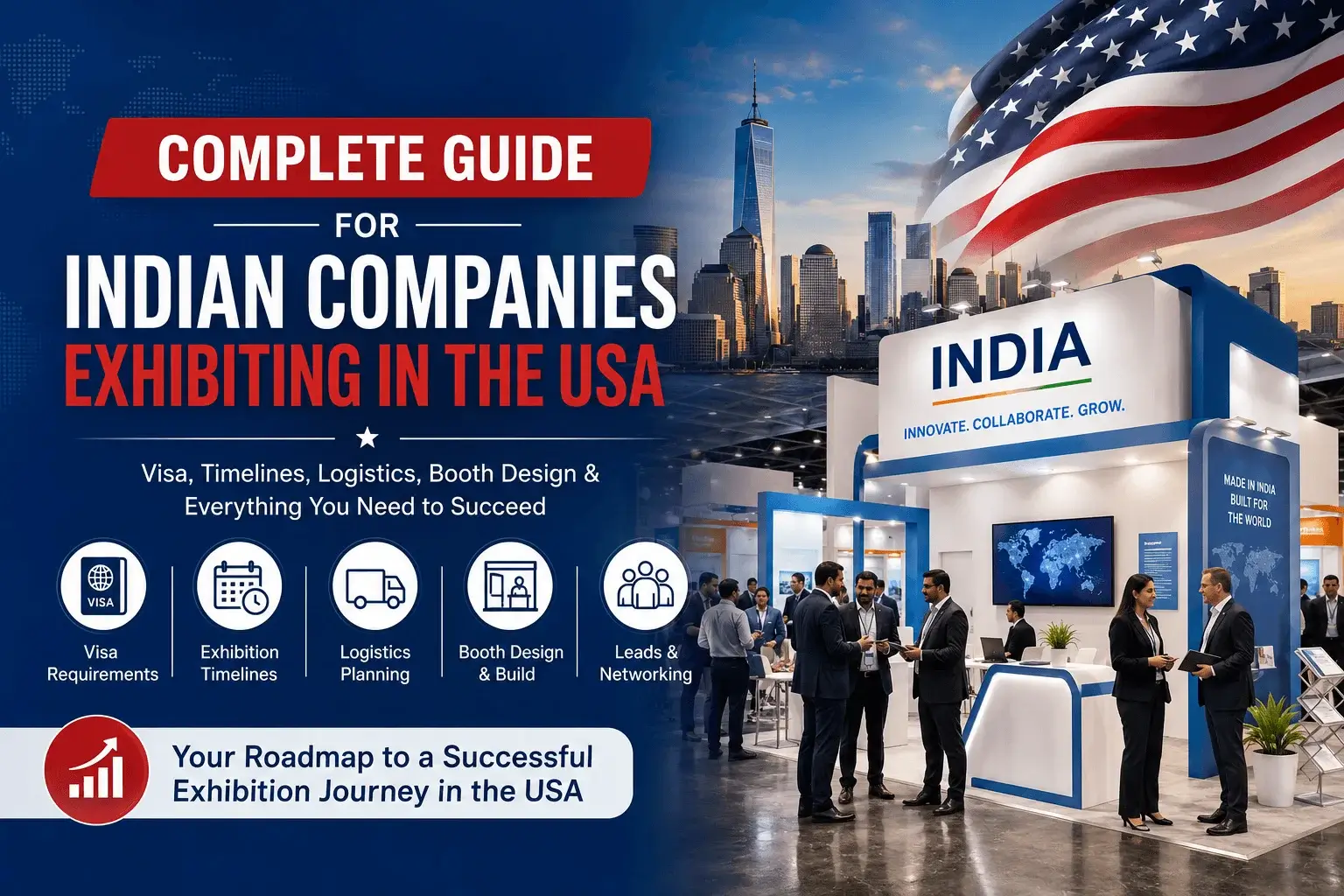
Understanding US Trade Shows
The United States hosts some of the largest and most influential trade shows globally. These events attract exhibitors and visitors from multiple countries, creating significant opportunities for international business development. Some events attract tens of thousands of visitors and thousands of exhibitors, while niche industry events focus on highly targeted audiences. Before committing to an exhibition, companies should carefully evaluate whether the event aligns with their business objectives.
When selecting a U.S. trade show, companies should carefully evaluate several important factors, including visitor demographics, industry relevance, competitor participation, historical attendance figures, potential return on investment (ROI), and the overall cost of participation. Assessing these elements helps exhibitors identify events that align with their business objectives, attract the right target audience, and offer the greatest opportunities for generating leads, building partnerships, and achieving measurable exhibition success.
Indian companies often participate in trade shows to:
- Launch new products
- Enter the North American market
- Find distributors and channel partners
- Generate qualified sales leads
- Strengthen brand awareness
- Conduct market research
One of the most important considerations when planning to exhibit in USA events is understanding visitor expectations. American trade show attendees generally value clear communication, interactive displays, product demonstrations, and efficient business discussions. Companies that prepare accordingly often achieve better results. Because U.S. exhibitions are highly competitive, investing in professional exhibition stall design becomes essential.
Visa Requirements for Indian Exhibitors
Obtaining the appropriate visa is one of the earliest and most important steps when preparing for a U.S. exhibition. Many Indian companies underestimate the time required for visa processing and appointment scheduling. Delays can significantly impact exhibition preparation and travel arrangements, making early planning critical.
Business Visitor Visa
Most exhibition participants typically travel under a business visitor category that permits attendance at trade shows, business meetings, conferences, and networking events. The specific visa category and requirements should always be verified through official U.S. government channels before applying.
Recommended Timeline for Visa Applications
Companies should ideally begin the visa process at least three to six months before the exhibition.
This timeline allows sufficient time for:
- Application submission
- Appointment scheduling
- Documentation preparation
- Interview attendance
Exhibition participants may be required to provide several supporting documents as part of their travel and visa preparation process. These commonly include a valid passport, exhibition registration confirmation, an invitation letter from the event organizers, a company profile, business registration documents, financial records demonstrating business credibility, and confirmed hotel reservations. Preparing these documents well in advance can help ensure a smoother application and travel process.
Preparing for the Visa Interview
Applicants should be prepared to explain:
- Purpose of travel
- Nature of the exhibition
- Company background
- Planned duration of stay
- Business activities during the visit
Clear documentation and consistent information help facilitate the process.
Companies sending multiple representatives should ensure that all team members understand the exhibition objectives and travel plans before attending their interviews.
Exhibition Timelines: When Should Planning Begin?
Successful international exhibitions rarely happen through last-minute planning. Most experienced exhibitors begin preparations several months before the event. A structured timeline reduces risk and helps coordinate multiple stakeholders, including marketing teams, logistics providers, exhibition stand builders, and event organizers.
9–12 Months Before the Exhibition
At this stage, companies should focus on strategic decisions.
Key activities include:
- Selecting the trade show
- Reserving exhibition space
- Establishing budgets
- Defining exhibition objectives
- Researching competitors
- Identifying target audiences
This is also the ideal time to begin discussions with exhibition stand builders who can advise on booth concepts and budget planning.
6–9 Months Before the Exhibition
The project begins to take shape during this phase.
Activities typically include:
- Finalizing booth requirements
- Developing exhibition stand design concepts
- Reviewing booth layouts
- Beginning visa applications
- Planning logistics requirements
- Reserving accommodation
Many exhibitors also begin pre-show marketing activities during this period.
3–6 Months Before the Exhibition
This phase focuses on execution.
Key tasks include:
- Approving the final exhibition stall design
- Completing graphic artwork
- Finalizing product displays
- Confirming freight arrangements
- Launching visitor outreach campaigns
Most professional exhibition stand builder in USA will also present a detailed 3d stall design during this period, allowing exhibitors to review and approve the booth before production begins.
1–3 Months Before the Exhibition
Final preparations typically include:
- Shipping products and materials
- Confirming installation schedules
- Staff training
- Customer appointment scheduling
- Marketing material production
A detailed project review should be conducted to ensure every element remains on schedule.
Exhibition Week
During the event itself, companies should focus on:
- Lead generation
- Networking
- Product demonstrations
- Customer meetings
- Market intelligence gathering
Post-Show Follow-Up
Many exhibitors fail to capitalize on exhibition leads because they delay follow-up activities.
Best practices include:
- Contacting leads promptly
- Scheduling sales meetings
- Sharing product information
- Evaluating exhibition performance
- Measuring ROI
Booth Planning for Maximum Impact
Booth planning is one of the most influential factors affecting exhibition success. Visitors often form impressions within seconds of approaching a booth. A professional, well-organized environment can significantly improve visitor engagement and lead generation.
Defining Booth Objectives
Before developing an exhibition stand design, exhibitors should determine their primary goals. Common exhibition objectives include launching new products, increasing brand awareness, generating qualified business leads, recruiting dealers and distribution partners, conducting customer meetings, and showcasing products through technical demonstrations. Clearly defining these objectives before the event helps exhibitors develop an effective booth strategy, allocate resources efficiently, and measure the overall success of their exhibition participation.
Importance of Professional Exhibition Stall Design
An effective exhibition stall design combines aesthetics with functionality.
The booth should:
- Attract attention from a distance
- Encourage visitor interaction
- Support business conversations
- Showcase products effectively
A poorly planned booth can limit visitor engagement regardless of the quality of the products being displayed.
Why 3D Stall Design Matters
Modern exhibition projects typically begin with a detailed 3D stall design, allowing exhibitors to visualize their booth before fabrication starts. A realistic 3D representation helps ensure accurate project visualization, optimizes space utilization, facilitates stakeholder approvals, and supports better cost management. By reviewing the booth virtually during the planning stage, exhibitors can identify potential improvements early, significantly reducing project risks, design errors, and unexpected expenses during production and installation.
Choosing the Right Expo Booth Design
The ideal expo booth is influenced by several factors, including the size of the booth, the type of products being showcased, the company's marketing objectives, expected visitor traffic, and the available budget. An effective booth should not only capture attention through its visual appeal but also support smooth operations, visitor engagement, and meaningful business interactions, creating a balance between aesthetics and functionality.
Two Side Open Stall Design
This configuration provides exposure to traffic approaching from two directions and creates greater visibility compared to standard inline booths.
Benefits include:
- Improved visitor accessibility
- Enhanced product visibility
- Stronger branding opportunities
- Better traffic flow
When creating a two side open stall design, designers often position key branding elements at the corner to maximize visibility from both aisles.
Three Side Open Stall Design
Because visitors can approach from three directions, this layout offers significantly greater exposure.
Advantages include:
- Increased visitor engagement
- Higher foot traffic
- More flexible layout options
- Strong visual impact
A successful three side open stall design requires careful planning to maintain openness while still creating designated areas for meetings and product demonstrations.
Working with Experienced Exhibition Stand Contractors
Professional contractors play a critical role in transforming concepts into reality. Their responsibilities often encompass the entire booth execution process, including design development, engineering, fabrication, graphics production, installation, and dismantling. By managing these critical aspects of the project, professional exhibition partners help ensure that the exhibition stand is delivered on time, meets quality standards, and provides a seamless experience from concept creation through to post-event dismantling. Experienced exhibition stand contractor also understand venue regulations, labor requirements, and local operational procedures, helping exhibitors avoid costly mistakes.
Logistics Planning for U.S. Exhibitions
Logistics is often one of the most complex aspects of international exhibition participation.
Even the best exhibition stand design cannot succeed if products, graphics, or booth components fail to arrive on time.
Planning Product Shipments
Exhibitors must determine what materials need to be transported to the USA. Common items shipped for an exhibition typically include marketing materials, display equipment, demonstration products, and booth graphics. These materials play a crucial role in showcasing the brand, engaging visitors, supporting product presentations, and creating a professional exhibition environment. Proper planning and packaging of these items help ensure a smooth setup and successful participation at the event.
Choosing the Right Shipping Method
Air freight is an ideal shipping option for urgent shipments, lightweight products, and last-minute deliveries. Its primary advantages include faster transit times and greater schedule reliability, making it suitable for exhibitors working with tight deadlines. However, air freight generally comes at a higher cost compared to other transportation methods. In contrast, ocean freight is better suited for large shipments, heavy equipment, and cost-sensitive projects. While it requires longer transit times and more advance planning, it offers a more economical solution for transporting substantial exhibition materials internationally.
Customs Documentation
International exhibitions often require specialized customs documentation. International exhibition shipments typically require several important documents to ensure smooth customs clearance and compliance with import regulations. These may include commercial invoices, packing lists, bills of lading, temporary import paperwork, and product declarations. Preparing accurate and complete documentation in advance helps minimize customs delays, avoid additional charges, and ensure that exhibition materials arrive at the venue on schedule.
Conclusion
For Indian companies seeking international growth, participating in U.S. trade shows offers tremendous opportunities to build brand awareness, generate qualified leads, and establish long-term business relationships. However, successful participation requires detailed preparation across multiple areas. A well-structured approach to visa planning, project timelines, booth planning, and logistics can significantly improve exhibition outcomes. Investing in professional exhibition stall design, selecting the right expert, leveraging advanced 3d stall design technology, and partnering with experienced exhibition stand builders all contribute to a stronger exhibition presence. Whether planning a compact two side open stall design or a large three side open stall design, exhibitors who prepare strategically are better positioned to maximize visibility and achieve measurable business results when they exhibit in USA trade shows. Take your brand global with a professionally designed exhibition stand. Reach out to info@thepropshop.co.in and let our experts create an engaging exhibition experience for your next U.S. trade show.