


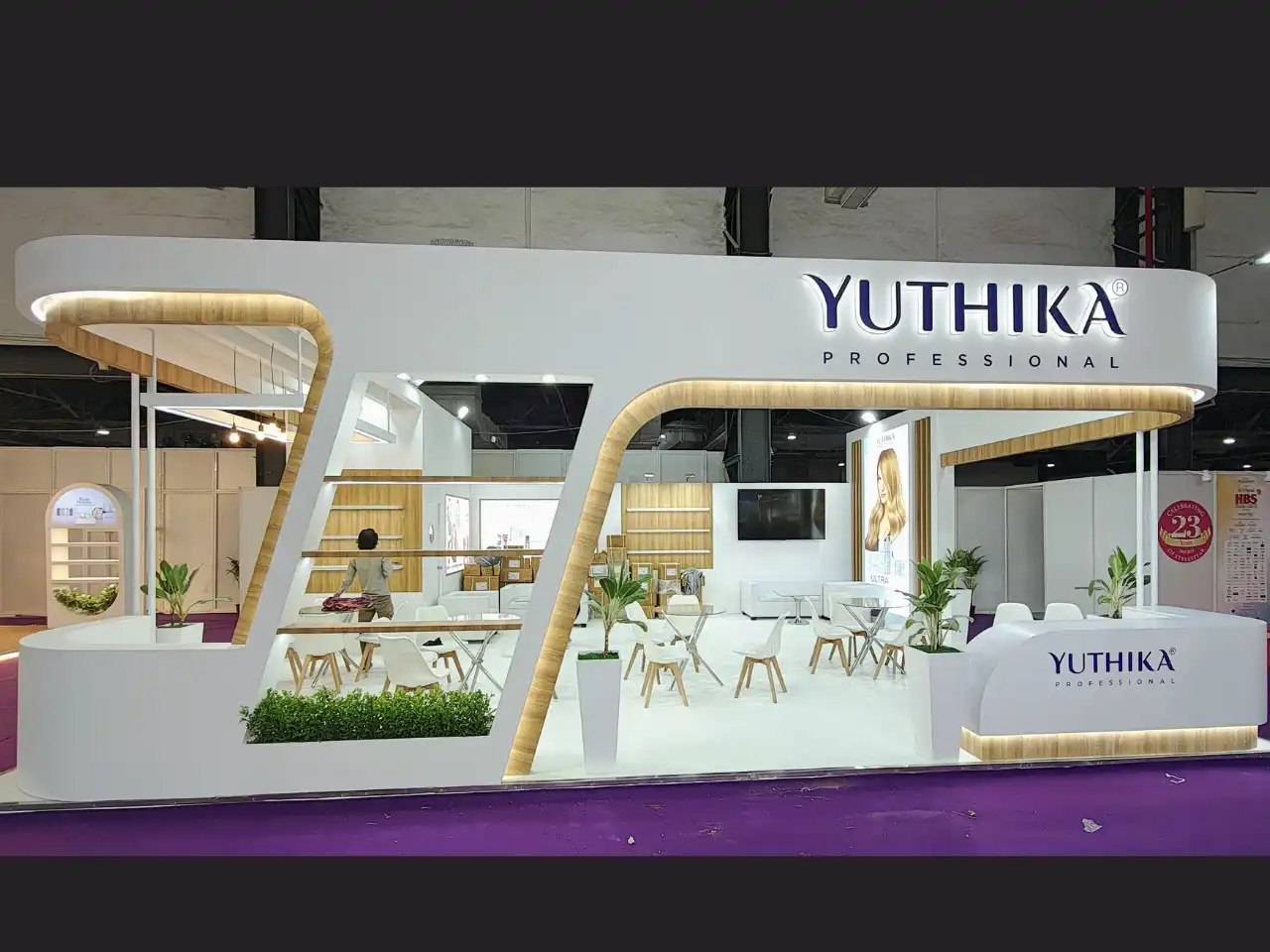
Lack of Clear Exhibition Objectives
One of the biggest mistakes exhibitors make is participating without defining clear objectives. Many companies attend international trade shows simply because competitors are exhibiting or because distributors suggested participation. Without measurable goals, it becomes difficult to evaluate success.
Objectives may include:
- Generating qualified leads
- Launching new products
- Expanding into new markets
- Building brand awareness
- Conducting market research
When goals are clearly defined, every decision from exhibition booth design to staffing and marketing can align with those objectives. Companies that lack a clear strategy often end up collecting business cards without generating meaningful business opportunities.
Underestimating the Importance of Booth Design
Many exhibitors invest heavily in travel and logistics while allocating minimal budgets to booth design. At international trade shows, visitors are exposed to hundreds or even thousands of exhibitors. A poorly designed stand can easily get lost among competitors. Professional expo stall design serves as a company's first impression. Visitors often decide within seconds whether they want to engage with an exhibitor.
Common booth design mistakes include:
- Generic branding
- Poor product presentation
- Cluttered displays
- Weak messaging
- Inadequate lighting
- Lack of visitor engagement areas
Investing in a professionally designed stand significantly increases visitor engagement and lead generation opportunities.
Ignoring Local Market Preferences
Many Indian exhibitors assume that marketing approaches that work domestically will produce similar results internationally.
This assumption often leads to poor audience engagement.
Different regions have unique expectations when it comes to conducting business at trade shows and exhibitions. Communication styles, product presentation methods, sales approaches, and business etiquette can vary significantly from one market to another. Understanding these cultural and professional differences helps exhibitors engage more effectively with international audiences, build stronger relationships, and create a positive impression that supports long-term business success. For example, European visitors often prefer minimalistic and clean exhibition booth design, while some Middle Eastern markets may respond positively to larger and more elaborate presentations.
Failing to Use 3D Visualization During Planning
A surprisingly common mistake is moving directly into fabrication without reviewing a detailed visual representation of the stand. Modern 3d exhibition stall design technology allows exhibitors to evaluate every aspect of their booth before production begins.
Benefits include:
- Better space utilization
- Improved product placement
- Enhanced visitor flow
- Early identification of design flaws
- Easier stakeholder approvals
Without a 3d exhibition stall design, companies often discover issues only after arriving at the venue, when modifications become expensive and difficult. Professional exhibition stand builder typically provide realistic 3D renderings that help exhibitors make informed decisions before fabrication begins.
Choosing the Cheapest Stand Builder
Cost is an important factor, but selecting a stand contractor solely based on price can create significant problems. Many exhibitors focus on obtaining the lowest quotation without evaluating, experience, portfolio quality, project management capability, local support, production standards, and delivery timelines. Low-cost providers may compromise on materials, graphics, lighting, and installation quality.
Reliable exhibition stand contractors deliver value through:
- Professional design
- Timely execution
- On-site support
- Compliance with venue regulations
The cheapest option often becomes the most expensive when delays, quality issues, or installation problems arise during the exhibition.
Poor Pre-Show Marketing
Many exhibitors assume visitors will naturally discover their booth. In reality, successful exhibitors begin marketing several weeks or even months before the event. Effective pre-show marketing plays a crucial role in attracting the right audience to your exhibition booth. Successful promotional activities often include targeted email campaigns, social media promotions, customer invitations, product launch announcements, and press releases.
By creating awareness before the event, exhibitors can increase booth traffic, schedule meetings with potential buyers, and maximize the overall return on their exhibition investment. Without proactive promotion, even an excellent expo stall design may fail to attract sufficient visitors. Creating awareness before the exhibition helps ensure that qualified prospects actively seek out the booth during the event.
Overcrowding the Booth with Products
Many exhibitors believe that displaying every available product will increase sales opportunities. Overcrowded booths create confusion and dilute key messages.
Visitors should quickly understand:
- The company's core offerings
- Featured innovations
- Key differentiators
Instead of displaying dozens of products, exhibitors should focus on showcasing their most important solutions. A well-organized exhibition booth design highlights priority products and creates a cleaner, more engaging visitor experience.
Weak Branding and Messaging
Brand communication should be visible and instantly understandable. A common mistake is filling booth graphics with excessive text, technical specifications, and promotional content. Visitors usually spend only a few seconds evaluating whether a booth is relevant to them.
Strong branding should include:
- Clear company logo placement
- Concise value propositions
- High-quality graphics
- Easy-to-read messaging
Professional exhibition stand builders often recommend prioritizing visual communication over text-heavy displays. Simple and impactful messaging generates greater visitor interest and engagement.
Not Training Booth Staff Properly
Even the most impressive stand can fail if booth personnel are not prepared. Many exhibitors send employees without providing exhibition-specific training.
Common staffing issues include:
- Lack of product knowledge
- Poor communication skills
- Limited understanding of exhibition objectives
- Inconsistent messaging
Exhibition staff should be thoroughly trained before the event to ensure meaningful interactions with visitors. Team members should have a strong understanding of the company’s products and services, target audience profiles, lead qualification procedures, competitor positioning, and follow-up processes. Well-prepared staff can communicate more effectively, identify potential opportunities, and contribute significantly to the overall success of the exhibition. Confident and knowledgeable staff can significantly improve exhibition performance.
Focusing on Selling Instead of Building Relationships
International trade shows are relationship-building platforms. Many exhibitors make the mistake of aggressively pursuing immediate sales. Global buyers often require time to evaluate suppliers before making purchasing decisions.
Successful exhibitors focus on:
- Understanding customer needs
- Demonstrating expertise
- Creating long-term connections
Relationship-focused conversations often produce better long-term business outcomes than aggressive sales pitches.
Neglecting Cultural Differences
Business practices vary significantly across countries. Exhibitors who fail to understand cultural expectations may unintentionally damage potential relationships.
Areas requiring attention include:
- Greetings
- Communication styles
- Meeting etiquette
- Negotiation approaches
- Dress codes
Understanding local business culture demonstrates professionalism and respect. This preparation helps create positive interactions and strengthens business relationships.
Ignoring Logistics and Shipping Requirements
International exhibition logistics are often more complex than expected.
Common challenges include:
- Freight delays
- Customs clearance issues
- Documentation errors
- Material handling charges
Many exhibitors underestimate the time required to transport exhibition materials internationally. Working with experienced logistics providers and exhibition stand builders helps reduce risks and ensures smooth project execution.
Poor Space Planning
Booth size alone does not determine success. Many exhibitors fail to properly design a stall that supports visitor engagement and business discussions. Poor space planning can negatively impact the effectiveness of an exhibition stand and the overall visitor experience. Common issues include narrow walkways that restrict movement, limited meeting areas for business discussions, poor product placement that reduces visibility, and layouts that make it difficult for visitors to notice key displays.
A well-planned stand layout helps create a more comfortable, engaging, and productive environment for both exhibitors and attendees. When exhibitors design a stall strategically, they create a better visitor experience and improve lead generation opportunities. Effective layouts encourage exploration, interaction, and meaningful conversations.
Failing to Capture Leads Efficiently
Generating leads is often the primary objective of exhibition participation.
Yet many exhibitors rely on outdated lead collection methods.
Problems include:
- Missing visitor information
- Incomplete records
- Unorganized notes
- Lost business cards
Modern lead capture systems enable exhibitors to manage potential business opportunities more efficiently during trade shows. These tools help record visitor details accurately, categorize prospects based on their level of interest, track interactions and conversations, and prioritize follow-up actions after the event. By streamlining lead management, exhibitors can improve conversion rates and maximize the return on their exhibition investment. Accurate lead management significantly increases post-show conversion rates.
Lack of Demonstrations and Engagement Activities
Static displays rarely attract attention in crowded exhibition halls.
Visitors are naturally drawn to interactive experiences.
Effective engagement strategies include:
- Product demonstrations
- Live presentations
- Digital displays
- Interactive touchscreens
- Virtual reality experiences
- Hands-on product testing
Combining interactive elements with strong expo stall design creates memorable visitor experiences.
Engaged visitors are more likely to remember the brand after the event.
Poor Lighting Design
Lighting is one of the most overlooked aspects of exhibition booth design. Inadequate lighting can make products appear less attractive and reduce booth visibility. Effective lighting helps highlight products, create atmosphere, improve visibility, enhance branding, guide visitor attention. Professional exhibition stand builders understand how lighting influences visitor behavior and overall booth effectiveness.
Delaying Follow-Up After the Event
The exhibition does not end when the event closes. One of the most costly mistakes is failing to follow up promptly with leads. Prospects often engage with multiple suppliers during a trade show. Delayed communication increases the likelihood of losing opportunities to competitors.
Best practices include:
- Contacting leads within 48–72 hours
- Sharing requested information
- Scheduling follow-up meetings
- Providing quotations promptly
- Maintaining regular communication
Fast and professional follow-up maximizes exhibition ROI.
Underestimating the Role of Professional Exhibition Stand Builders
Many exhibitor view stand construction as a simple logistical task. In reality, experienced exhibition stand builders contribute significantly to overall event success.
Professional builders assist with:
- Concept development
- 3D visualization
- Fabrication
- Logistics
- Venue coordination
- Installation
- Dismantling
Their expertise helps exhibitors avoid costly mistakes and ensures smooth project execution.
A strategic partnership with experienced exhibition stand builders often delivers better exhibition outcomes and higher returns on investment.
Conclusion
International trade shows present enormous growth opportunities for Indian businesses. However, success requires careful planning, strong execution, and a deep understanding of global exhibition standards. Common mistakes such as poor expo stall design, weak branding, inadequate staff preparation, ineffective lead management, and insufficient pre-show marketing can significantly reduce exhibition performance.
By investing in professional exhibition booth design, leveraging 3d exhibition stall design technology, working with experienced exhibition stand builders, and taking the time to properly design a stall that supports business objectives, exhibitors can create memorable visitor experiences and achieve measurable results. Companies that approach international exhibitions strategically are far more likely to generate qualified leads, build valuable relationships, strengthen brand recognition, and achieve long-term business growth in global markets.
Planning your next international trade show participation? Reach out to our exhibition experts at info@thepropshop.co.in for innovative stand design