
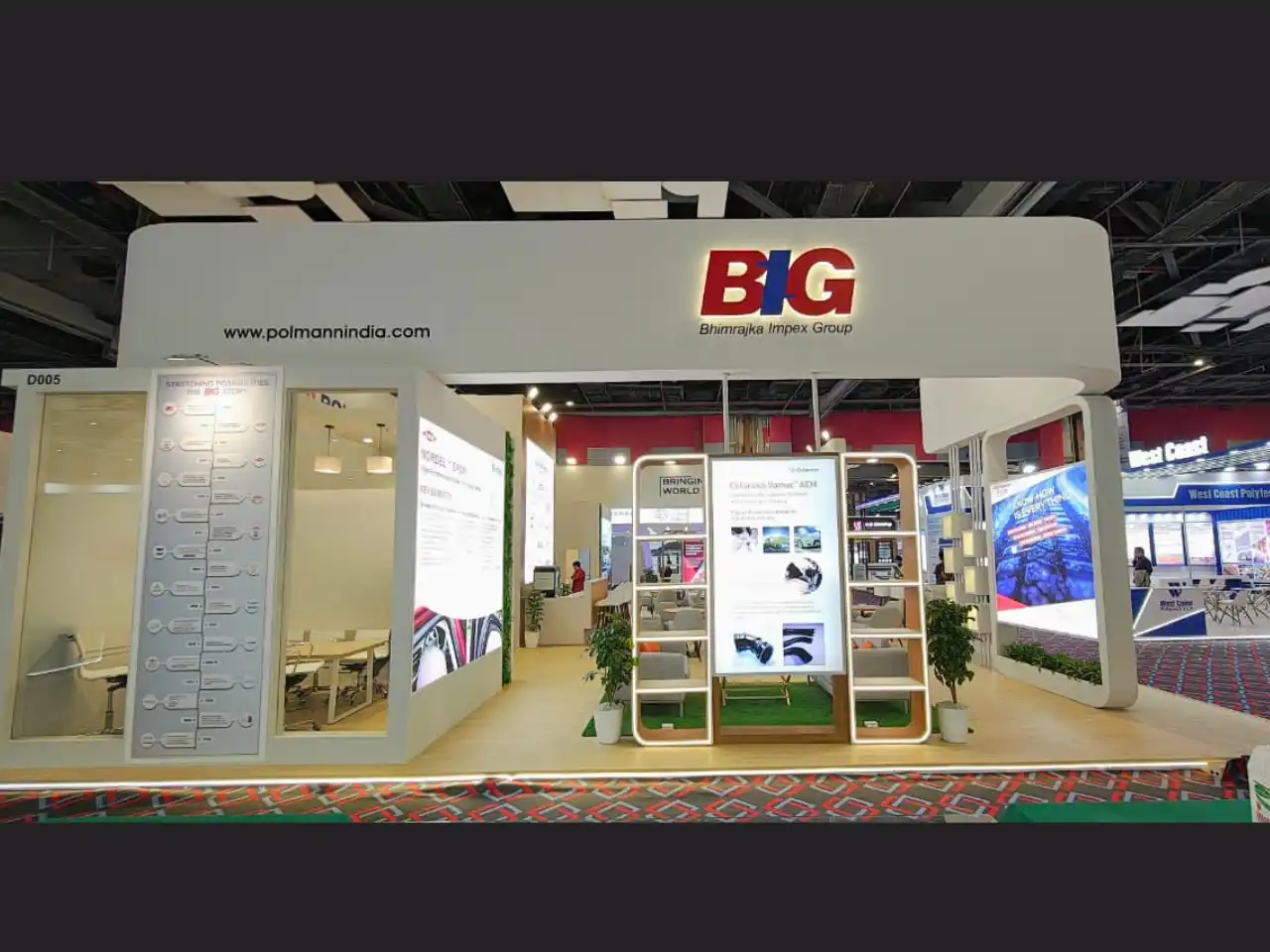
Why Should Indian Companies Exhibit in Europe?
Europe hosts some of the world's largest and most influential trade exhibitions across industries such as manufacturing, engineering, automotive, construction, healthcare, technology, food processing, furniture, and consumer goods.
For Indian companies, these exhibitions offer far more than just product visibility.
Access to Global Buyers
European trade fairs attract visitors from across the continent and often from North America, the Middle East, Africa, and Asia. Instead of meeting buyers country by country, exhibitors can connect with decision-makers from multiple markets at a single event.
Opportunity to Find Distributors and Partners
Many Indian manufacturers use European exhibitions to identify distributors, importers, agents, and channel partners. Building local partnerships can significantly simplify market entry and expansion.
Brand Positioning in International Markets
Participating in a major European exhibition helps position Indian companies as global suppliers. A professional presence demonstrates commitment to international business and builds credibility among buyers.
Product Launch Platform
European trade shows provide an ideal environment for launching new products, technologies, and innovations. Industry professionals actively attend these events to discover emerging solutions and suppliers.
Competitive Market Intelligence
Exhibitions offer a unique opportunity to observe competitors, understand market trends, evaluate customer preferences, and gather insights about pricing and product positioning.
Lead Generation
Unlike general marketing campaigns, exhibitions provide face-to-face engagement with qualified prospects who are actively seeking products and solutions within specific industries.
For companies looking to expand exports and strengthen international presence, Europe offers one of the most efficient platforms for business development.
Best Trade Shows in Europe for Indian Companies
Europe hosts thousands of exhibitions annually, but some events stand out due to their scale, visitor quality, and international reach.
Hannover Messe (Germany)
Hannover Messe is one of the world's largest and most influential industrial technology exhibitions, bringing together manufacturers, automation specialists, engineering companies, and technology providers from across the globe. The event serves as a key platform for showcasing innovations in industrial automation, advanced manufacturing, robotics, energy solutions, and digital transformation technologies.
BAU Munich (Germany)
BAU is one of Europe's leading trade fairs dedicated to architecture, building materials, construction systems, and interior solutions. The exhibition brings together architects, designers, construction professionals, manufacturers, and industry experts to showcase the latest innovations and trends. It serves as a key meeting point for companies involved in construction, architecture, building materials, and flooring solutions.
Ambiente Frankfurt (Germany)
Ambiente is one of the world's largest and most prestigious consumer goods exhibitions, bringing together manufacturers, suppliers, retailers, designers, and buyers from around the globe. The event showcases a diverse range of products, including home décor, gifts, lifestyle items, and various consumer goods. It serves as a key international marketplace for discovering emerging trends.
Anuga (Germany)
Anuga is one of the world's most important and influential food and beverage trade shows, attracting manufacturers, suppliers, distributors, retailers, and industry professionals from across the globe. It provides exhibitors with valuable opportunities to connect with international buyers, explore emerging market trends, and expand their presence in the global food and beverage industry.
MEDICA Düsseldorf (Germany)
MEDICA is widely recognized as one of the world's largest and most prestigious healthcare and medical technology exhibitions, bringing together medical professionals, manufacturers, healthcare providers, and industry leaders from around the world. The event showcases the latest advancements in medical devices, healthcare technology, diagnostics, and laboratory equipment, making it a key platform for innovation, networking, and business development.
Mobile World Congress (Spain)
Mobile World Congress (MWC) is one of the world's leading technology and connectivity events, attracting telecom operators, technology companies, startups, investors, and industry leaders from across the globe. The exhibition serves as a major platform for showcasing advancements in telecommunications, software, connectivity solutions, and digital technologies.
Maison & Objet (France)
Maison & Objet is a premier international exhibition for design, furniture, decoration, and lifestyle products, attracting designers, architects, retailers, manufacturers, and buyers from around the world. The event showcases the latest trends and innovations in furniture, interior design, home accessories, and decorative products.
Automechanika Frankfurt (Germany)
Automechanika Frankfurt is a leading international exhibition for automotive components, aftermarket products, and mobility solutions, bringing together manufacturers, suppliers, distributors, service providers, and industry professionals from across the automotive sector. The event showcases innovations in automotive parts, garage equipment, vehicle technology, and mobility solutions while providing valuable opportunities for networking, business development, and market expansion. Before selecting any exhibition, companies should carefully assess factors such as visitor demographics, exhibitor profiles, and geographic reach.
Understanding Exhibition Costs in Europe
One of the most common questions Indian companies ask is: "How much does it cost to exhibit in Europe?"
The answer depends on the country, event size, booth location, and stand design complexity.
Space Rental Cost
Space rental is one of the primary expenses associated with exhibiting at European trade shows. Exhibition organizers typically charge exhibitors based on the size and location of the booth space within the venue. The overall investment can vary depending on factors such as the exhibition's reputation, visitor profile, country, hall location, and booth positioning. Premium exhibitions and high-visibility locations often command higher rates than standard exhibition spaces.
Stand Design and Construction
Custom exhibition stands are often one of the largest expenses associated with exhibiting at a trade show. The overall cost depends on several factors, including booth size, design complexity, double-decker structures, LED video walls, interactive technologies, custom-built furniture, and hanging signage. While custom-built stands typically require a higher investment than standard shell scheme packages, they offer greater flexibility, enhanced visitor engagement, and a more exhibition presence.
Travel and Accommodation
European exhibitions often require:
- International flights
- Hotel accommodation
- Local transportation
- Daily allowances
Major exhibition cities such as Munich, Frankfurt, Paris, Barcelona, and Amsterdam experience substantial hotel price increases during exhibition periods.
Early booking is strongly recommended.
Logistics and Freight
Logistics costs for exhibiting in Europe typically include shipping products to the exhibition venue, customs clearance procedures, material handling services, on-site storage, and return freight after the event. These expenses can vary significantly depending on the size and weight of the shipment, transportation method, destination country, and specific venue requirements.
Marketing Costs
Many exhibitors allocate a dedicated marketing budget to maximize their exhibition results before and during the event. These expenses often include pre-show promotional activities, digital marketing campaigns, printed brochures, product catalogs, branded giveaways, and lead capture systems. Investing in these marketing tools helps attract visitors to the booth, and generate qualified leads.
Additional Venue Charges
European exhibition venues often charge separately for essential services such as electricity, internet connectivity, water connections, rigging, cleaning, waste disposal, and security. These additional costs can significantly impact the overall exhibition budget if not accounted for in advance. To avoid unexpected expenses, exhibitors should carefully review the exhibitor manual and service order forms provided by the event organizer before finalizing their budget and project plans.
Logistics Planning for European Exhibitions
Successful participation depends heavily on efficient logistics planning.
Many exhibitors underestimate the complexity of transporting products and booth materials internationally.
Customs Documentation
Proper documentation is a critical part of international exhibition logistics and customs clearance. Common requirements typically include commercial invoices, packing lists, certificates of origin, temporary import documents, and relevant product certifications. Accurate and complete paperwork helps ensure smooth shipment processing and timely delivery to the exhibition venue. Errors, omissions, or inconsistencies in documentation can lead to customs delays, additional charges, and potential disruptions to exhibition schedules.
Temporary Import Procedures
Many products displayed at European trade shows are imported on a temporary basis and shipped back to their country of origin once the exhibition concludes. Proper planning and compliance with customs regulations help streamline the import and re-export process while reducing overall exhibition costs.
On-Site Handling
Many European exhibition venues require exhibitors to use approved or official contractors for services such as forklift operations, unloading shipments, material movement within the venue, and on-site storage. These services are essential for the smooth handling of exhibition materials and booth components.
Build-Up and Dismantling Schedules
European exhibition venues operate under strict setup and dismantling schedules, making careful planning essential for exhibitors. Companies must coordinate all aspects of the project, including stand construction, product installation, technical setup, and post-event dismantling within the designated timeframes.
Booth Requirements and Regulations in Europe
European exhibition venues maintain strict safety and operational standards.
Understanding these requirements early helps avoid costly modifications:
Structural Approval
Large custom exhibition stands often require engineering drawings, structural calculations, and formal approval from the exhibition organizer or venue before construction can begin. Obtaining the necessary approvals in advance helps ensure compliance with venue safety regulations and prevents delays during the stand installation process.
Fire Safety Compliance
Materials used in exhibition booths are often required to comply with fire-retardant safety standards established by European exhibition venues. These regulations may apply to various booth components, including carpets, fabric graphics, wooden structures, and decorative materials. Exhibitors may be required to provide certification or documentation confirming compliance with fire safety requirements.
Sustainability Expectations
European exhibition organizers are increasingly promoting sustainable exhibiting practices as part of broader environmental initiatives. Popular approaches include the use of reusable booth structures, recyclable materials, energy-efficient lighting systems, and a reduction in printed marketing materials. Adopting sustainable exhibition strategies not only helps minimize environmental impact but can also enhance a company's brand reputation, demonstrating a commitment to responsible business practices and meeting the growing expectations of environmentally conscious customers and stakeholders.
How to Choose the Right Exhibition Booth Builder in Europe
Selecting the right booth builder can significantly influence exhibition success.
A reliable partner helps ensure smooth execution, regulatory compliance, and a professional brand presentation.
Look for European Experience
Choose an exhibition stand builder in Europe with extensive experience delivering projects at major European exhibition venues. A company familiar with local regulations, venue requirements, and exhibition logistics can help prevent costly delays and ensure a seamless exhibiting experience.
Review Previous Projects
When evaluating a potential booth builder, it is important to assess factors such as design quality, construction standards, industry-specific experience, and the scale of projects they have successfully completed. Reviewing a company's portfolio can provide valuable insights into its capabilities and execution quality. Whenever possible, request examples of exhibition stands created for events similar to yours, as this can help determine whether the builder has the expertise needed to meet your specific exhibition objectives.
Assess Design Capabilities
The best exhibition stands combine:
- Brand visibility
- Visitor engagement
- Functionality
- Meeting spaces
- Product displays
Design should align with business goals rather than focusing solely on aesthetics.
Verify In-House Production
Companies with their own manufacturing facilities often provide greater quality control and project consistency.
Check Project Management Support
International exhibitions involve multiple stakeholders, timelines, and operational requirements, making effective project management essential for success. A strong project management team can coordinate critical aspects of the exhibition process, including venue approvals, logistics planning, stand installation, on-site support, and post-show dismantling. Their expertise helps ensure smooth communication between all parties, minimizes potential issues, and enables exhibitors to focus on engaging visitors and achieving their business objectives.
Evaluate Communication
Since exhibition projects involve tight timelines, responsiveness is critical.
Choose a partner that provides:
- Regular updates
- Clear timelines
- Dedicated contacts
- Prompt support
Consider Pan-European Capabilities
Companies planning to exhibit across multiple countries benefit from booth builders capable of supporting projects throughout Europe.
This can improve consistency while simplifying project management.
Final Thoughts
Europe remains one of the most valuable exhibition markets for Indian companies seeking international growth. The region's world-class trade fairs provide direct access to global buyers, distributors, investors, and industry leaders across virtually every sector. Success, however, requires careful planning. Companies must select the right exhibition, establish realistic budgets, organize logistics well in advance, comply with venue regulations, and partner with an experienced exhibition stand builder in Europe capable of designing, building, installing, and dismantling high-quality exhibition stands. A reliable exhibition stand partner ensures a seamless exhibiting experience while helping brands create a strong visual impact on the show floor. With proper preparation and execution, exhibiting in Europe can generate valuable leads, strengthen brand credibility, expand export opportunities, and create long-term business relationships that support sustained international growth. Planning to exhibit in Europe? Explore our exhibition stand solutions across Germany, Netherlands, France, Spain, and Italy. Get in touch at info@thepropshop.co.in to discuss your requirements.
