


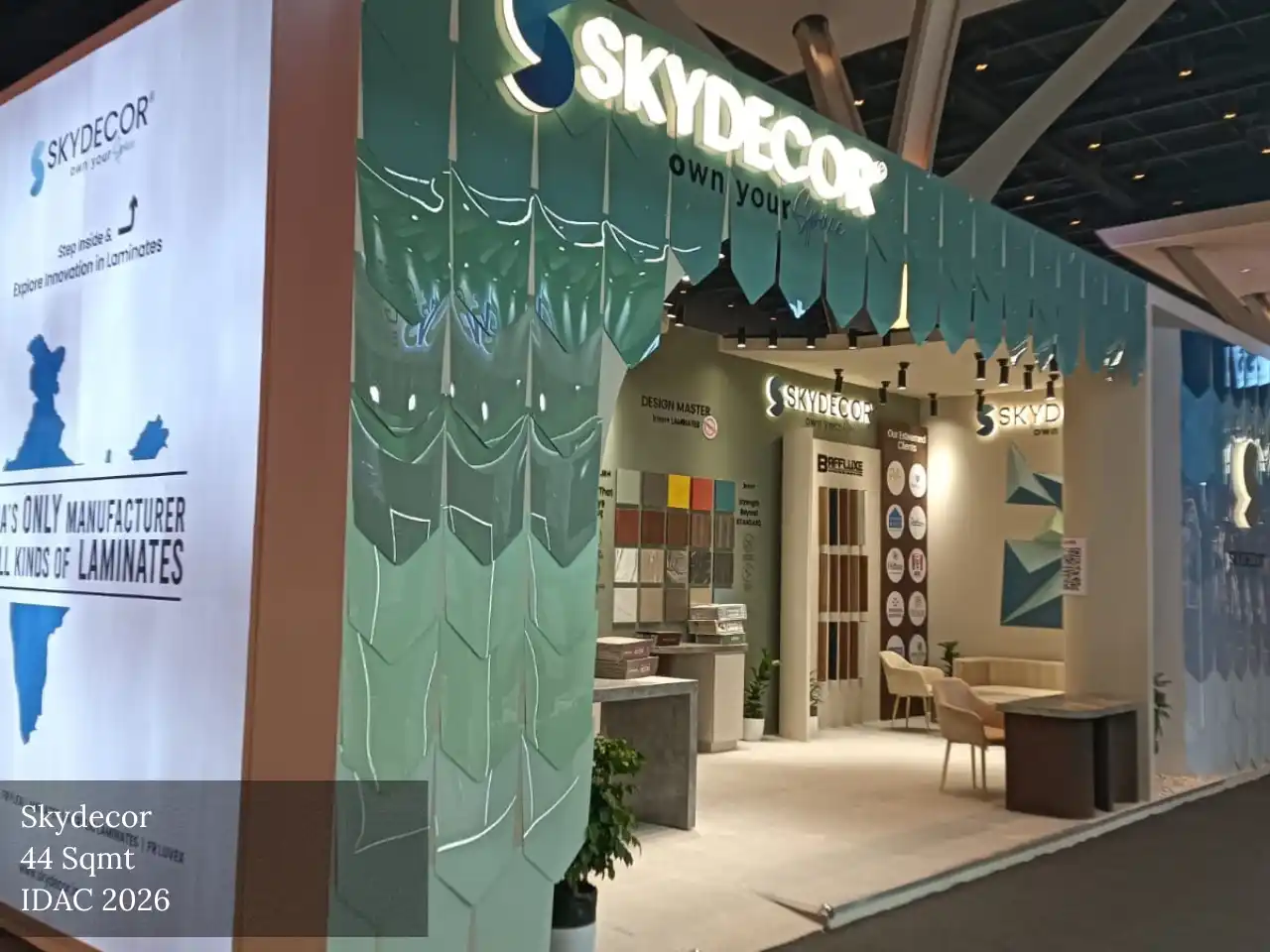
Why European Trade Shows Require a Different Approach
Many exhibitors assume that strategies that work successfully in India will produce similar results in Europe. While some exhibition fundamentals remain the same, European trade shows often place greater emphasis on professionalism, detailed planning, visitor experience, and relationship building.
Successful exhibitors typically invest time in:
- Market research
- Visitor engagement planning
- Professional booth presentation
- Local compliance requirements
- Post-show follow-up strategies
Avoiding common mistakes begins with understanding these expectations.
Below are some of the common mistakes Indian exhibitors mostly makes at European trade shows:
Mistake #1: Starting the Planning Process Too Late
One of the most common mistakes Indian exhibitors make is underestimating the preparation time required for European exhibitions. Major European trade fairs often begin planning cycles seven to ten months before the event. Waiting until the last few months can create challenges such as:
- Limited booth location options
- Higher travel costs
- Increased logistics expenses
- Rush production charges
Early planning allows exhibitors to secure better exhibition space, optimize budgets, and coordinate all project elements effectively. Companies that start early are also more likely to achieve a stronger exhibition presence.
Mistake #2: Underestimating the Importance of Exhibition Stand Design
Many exhibitors focus heavily on products while overlooking the importance of professional presentation. An effective exhibition stall design serves as the first impression visitors have of a company. In highly competitive European exhibitions, hundreds of exhibitors may offer similar products and services.
Common stand design mistakes include:
- Cluttered layouts
- Excessive text on graphics
- Poor lighting
- Limited visitor engagement areas
A well-planned stand should clearly communicate the company's value proposition while creating an inviting environment for visitors.
Mistake #3: Choosing the Wrong Exhibition Stall Design
Many exhibitors select stand designs based solely on cost rather than functionality. An effective expo stall design should consider visitor flow, product display requirements, meeting spaces. Failing to align the booth layout with exhibition goals can reduce visitor engagement and limit lead generation opportunities.
Mistake #4: Ignoring Open-Side Booth Opportunities
Open-side booths often provide greater visibility and visitor access, yet some exhibitors fail to take full advantage of these layouts.
These are two types of stall design, where the mistakes happen commonly:
Two Side Open Stall Design Mistakes
A two side open stall design provides access from two aisles, offering greater exposure than standard inline booths.
Common mistakes include:
- Blocking sightlines with large walls
- Inefficient visitor circulation
- Underutilizing corner visibility
Proper planning helps exhibitors maximize the benefits of additional exposure.
Three Side Open Stall Design Mistakes
A three side open stall design offers even greater accessibility and visibility.
However, exhibitors often make mistakes such as:
- Creating barriers at entry points
- Using inconsistent branding across sides
- Overcrowding the space with displays
- Failing to define visitor pathways
Because visitors can approach from multiple directions, the stand must remain visually appealing and functional from every angle.
Mistake #5: Skipping Professional 3D Stall Design Development
Some exhibitors attempt to reduce costs by minimizing design development. However, failing to invest in a professional 3D stall design can create numerous problems during production and installation.
A detailed 3D design helps exhibitors:
- Visualize the final stand
- Approve layouts before fabrication
- Improve visitor flow
Without proper visualization, costly modifications may be required later in the project. A well-developed 3D stall design often saves money by preventing production errors.
Mistake #6: Selecting Exhibition Stand Builders Based Only on Price
Cost is always an important consideration, but selecting suppliers solely based on the lowest quotation can create significant risks. Experienced exhibition stand builders provide much more than fabrication services. Choosing inexperienced suppliers can lead to delays, quality issues, and compliance problems. When evaluating contractors, exhibitors should consider experience, reliability, communication, and local support capabilities alongside pricing.
Mistake #7: Not Understanding European Visitor Expectations
European visitors often prefer meaningful business conversations and value-driven interactions rather than aggressive sales tactics. A common mistake many exhibitors make is focusing too heavily on promoting their products without first understanding the specific needs and challenges of potential customers. Successful exhibitors take a more consultative approach by asking relevant questions, listening carefully, and identifying the visitor’s requirements before presenting solutions. They focus on building trust, demonstrating expertise, and creating long-term relationships rather than pursuing immediate sales. In many European markets, establishing credibility and fostering strong business connections often leads to better results and more sustainable opportunities than a direct sales-focused approach.
Mistake #8: Sending Untrained Booth Staff
Even the most impressive exhibition stand cannot compensate for poorly prepared staff. Common staffing mistakes at European trade shows include poor communication skills, inadequate language preparation, and inconsistent visitor engagement. Since booth personnel serve as the face of the company, they play a critical role in shaping visitor perceptions and influencing business opportunities. Staff members should be thoroughly trained before the exhibition and have a clear understanding of the company’s product offerings, key brand messages, lead qualification criteria, and competitor positioning. Well-prepared teams are better equipped to engage visitors effectively, answer questions confidently, and generate high-quality leads. Well-trained teams create stronger visitor experiences and improve conversion rates.
Mistake #9: Neglecting Cultural Differences
Business etiquette can vary considerably across different European countries, and assuming that the same approach will work everywhere can be a costly mistake. Factors such as communication styles, meeting protocols, decision-making processes, negotiation preferences, and attitudes toward punctuality often differ from one market to another. Taking the time to understand local business customs helps exhibitors build credibility, establish stronger relationships, and communicate more effectively with potential customers, partners, and distributors.
Mistake #10: Poor Product Presentation
Product displays should be clear, organized, and strategically arranged to highlight the most important offerings. A common mistake many exhibitors make is attempting to showcase too many products within a limited space, which can overwhelm visitors and weaken the overall message. Overcrowded displays often make it difficult for attendees to identify key products or understand the company's unique value proposition. An effective presentation should immediately communicate what the company offers, its core strengths, and how its products differ from those of competitors.
Mistake #11: Overlooking Logistics Planning
International exhibition logistics can be complex. Common mistakes include delayed shipments, incomplete documentation, customs issues, last-minute freight arrangements. European exhibitions often operate on strict timelines. Even small logistics delays can affect stand construction schedules and product availability. Working with experienced logistics providers helps minimize these risks.
Mistake #12: Ignoring Venue Regulations
European exhibition venues typically have detailed technical and safety requirements. Exhibitors sometimes assume venue regulations are similar across all events. Common compliance issues involve electrical regulations, fire safety requirements, build-up schedules. Failure to comply can result in delays, penalties, or stand modifications. Understanding venue requirements early in the planning process is essential.
Mistake #13: Focusing Only on Booth Traffic
Many exhibitors’ judge success solely by the number of visitors entering the stand. However, high traffic does not necessarily translate into meaningful business opportunities. More important metrics include qualified leads, distributor meetings, buyer interactions, partnership discussions, sales opportunities. A smaller number of highly qualified prospects can generate significantly better results than large volumes of unqualified visitors.
Mistake #14: Failing to Capture Leads Properly
Lead generation is one of the primary objectives of most exhibitions. Common mistakes include missing contact details, incomplete notes, no lead qualification process, and lack of centralized lead management. Implementing a structured lead capture system improves follow-up effectiveness and sales outcomes.
Mistake #15: Delayed Post-Show Follow-Up
One of the costliest mistakes exhibitors make occurs after the event ends. Many companies spend significant resources generating leads but fail to follow up promptly. European buyers often expect timely communication.
Best practices include:
- Following up within a few days
- Sending personalized messages
- Sharing requested information
- Maintaining regular communication
The exhibition itself is often only the beginning of the sales process. Consistent follow-up significantly improves conversion rates.
Mistake #16: Not Measuring Exhibition Performance
Many exhibitors evaluate exhibitions based on assumptions rather than data. Without measurement, it is difficult to determine whether participation delivered value.
Useful metrics include:
- Number of qualified leads
- Cost per lead
- Sales pipeline generated
- Revenue opportunities created
- Brand exposure achieved
Tracking performance helps companies make better decisions about future exhibitions.
Mistake #17: Trying to Cut Costs in the Wrong Areas
Budget control is important, but some exhibitors reduce spending in areas that directly influence results. Examples include poor-quality graphics, inadequate lighting, weak stand design, limited marketing support. Reducing investment in these areas may save money initially but can significantly reduce exhibition effectiveness. The goal should be optimizing value rather than simply minimizing costs.
How Indian Exhibitors Can Avoid These Mistakes
Successful participation in European exhibitions requires a combination of planning, preparation, and execution.
Key recommendations include:
- Start planning early
- Invest in professional exhibition stand design
- Develop a detailed 3D stall design
- Work with experienced exhibition stand builders
- Train booth staff thoroughly
- Understand local visitor expectations
- Follow up promptly after the event
- Measure exhibition performance carefully
By addressing these areas, exhibitors can significantly improve their chances of success.
Conclusion
European trade shows offer outstanding opportunities for Indian businesses to expand internationally, build valuable relationships, and generate new business opportunities. However, success depends on avoiding common mistakes that can reduce exhibition effectiveness and limit return on investment. From selecting the right exhibition stall design and investing in professional stand design utilizing a well-planned 3D stall design, every decision plays an important role in exhibition success. Whether choosing a two side open stall design, careful planning, effective execution, and strong follow-up strategies can help Indian exhibitors maximize their results.
Planning to exhibit in Europe? Partner with our experienced exhibition stand specialists. Contact us at info@thepropshop.co.in to discuss your project requirements.